MISB Student Wellbeing
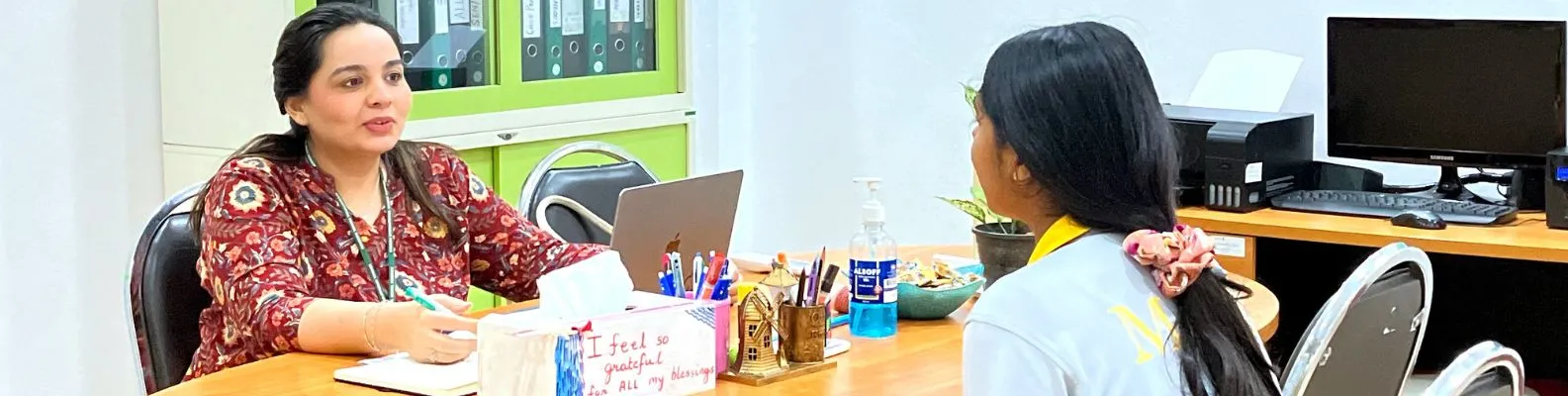
At MISB, student wellbeing lies at the heart of our learning environment. We are committed to ensuring that every child feels safe, supported, respected, and valued within our school community.
Safeguarding
Safeguarding is a fundamental priority at MISB. The school follows a clearly structured safeguarding framework led by a Designated Safeguarding Lead (DSL) and a trained safeguarding team. All concerns related to student safety or wellbeing are addressed through well-defined protocols to ensure a secure and nurturing environment for every learner.
Learning Support
Recognising that every child learns differently, MISB provides academic support programmes for students who require additional guidance. Our Special Educational Needs (SEN) facilitator works closely with teachers and families to provide targeted interventions, remedial support, and inclusive learning strategies that help students reach their full potential.
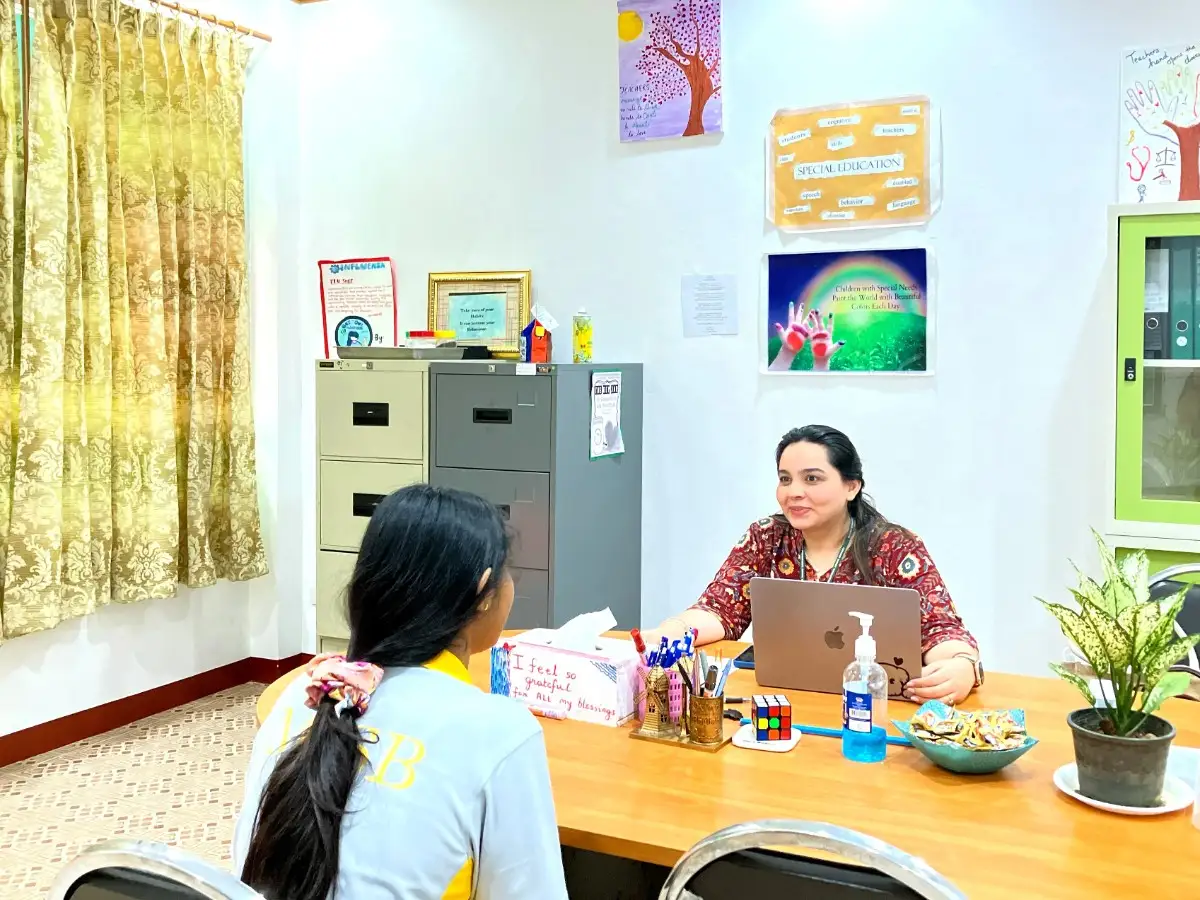
Counselling & Emotional Support
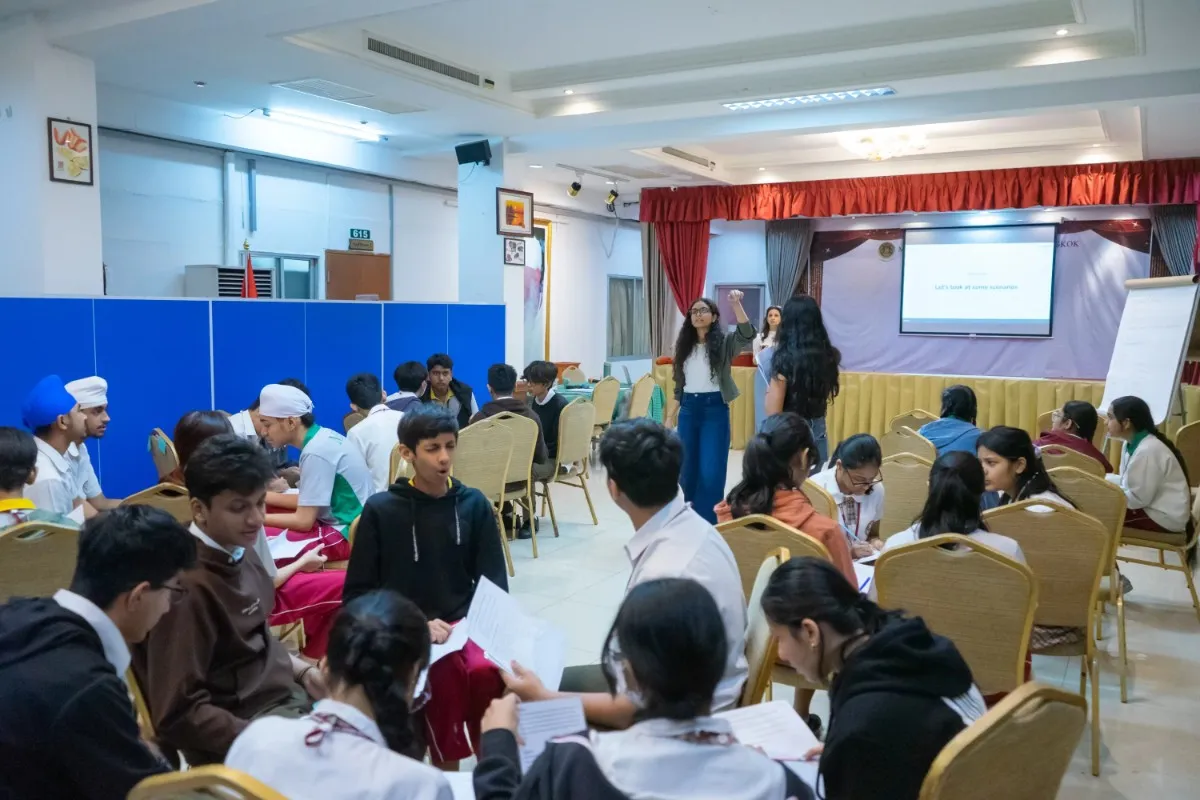
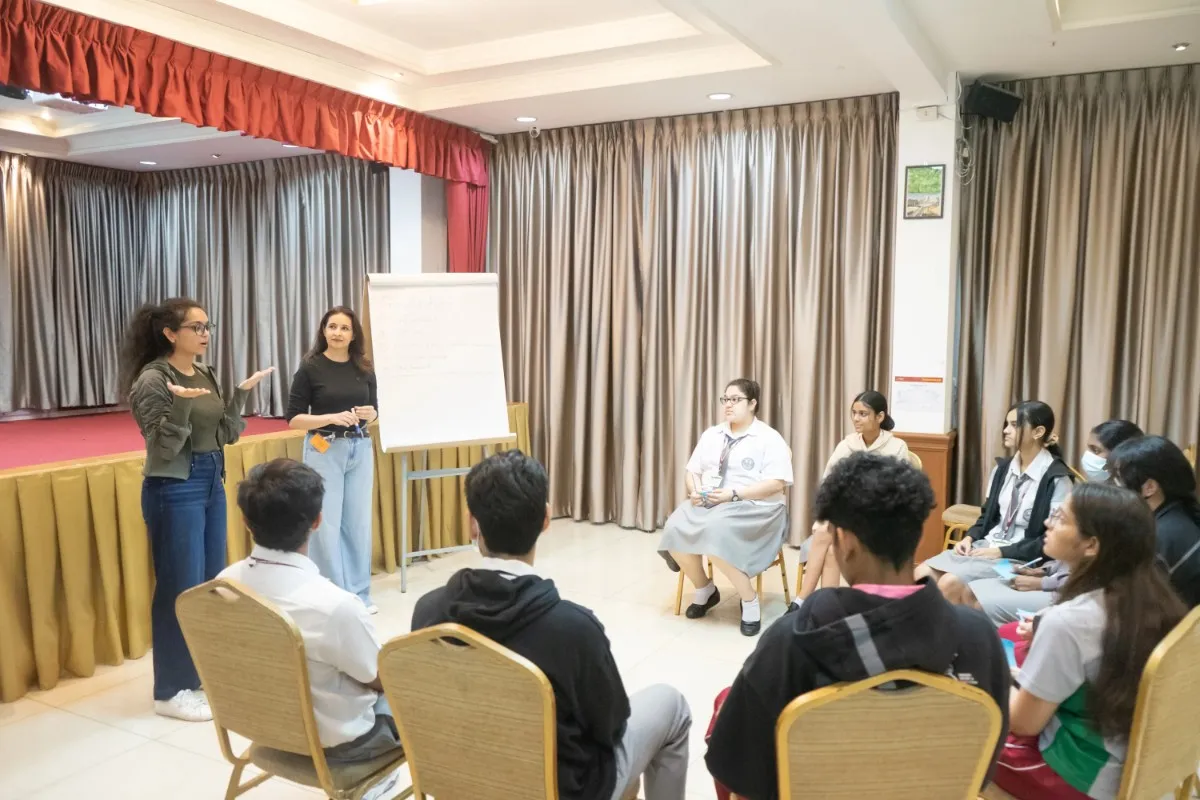
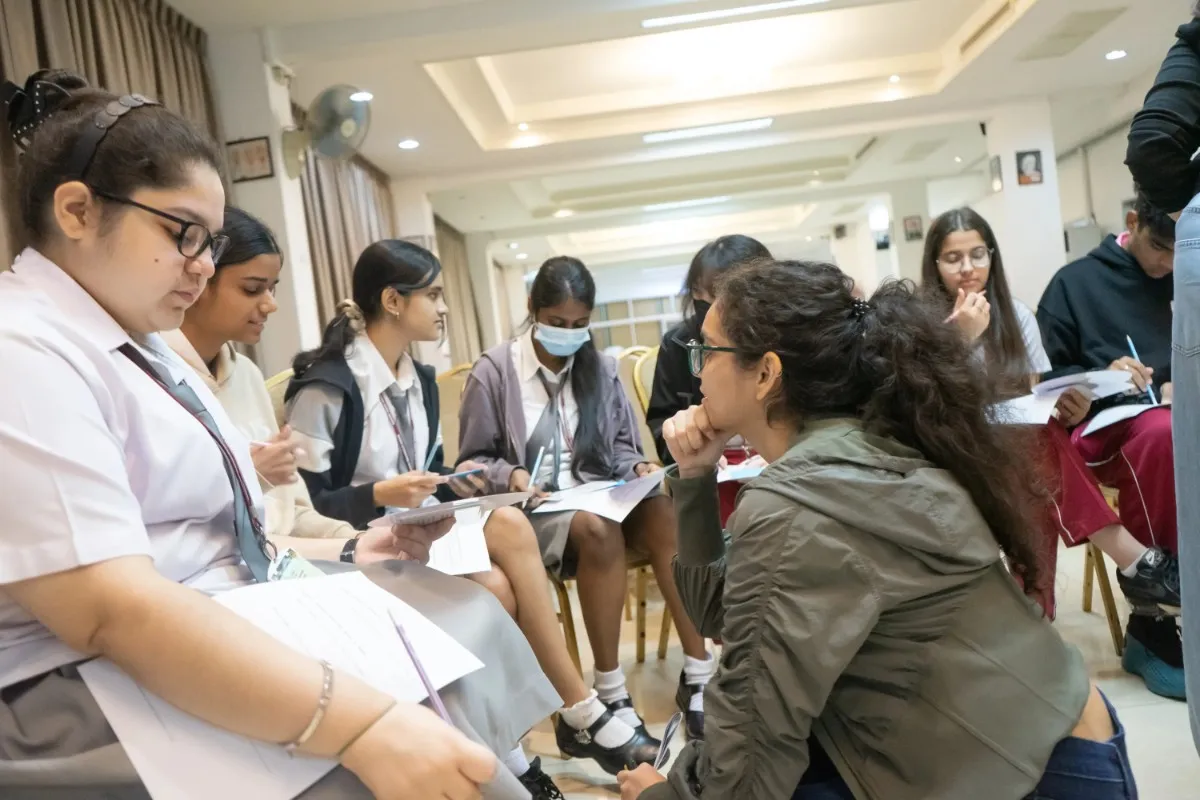
Student emotional and behavioural wellbeing is supported through professional counselling. The Head of Wellbeing and the School Counsellor work with students to build resilience, manage challenges, and develop positive relationships and decision-making skills.
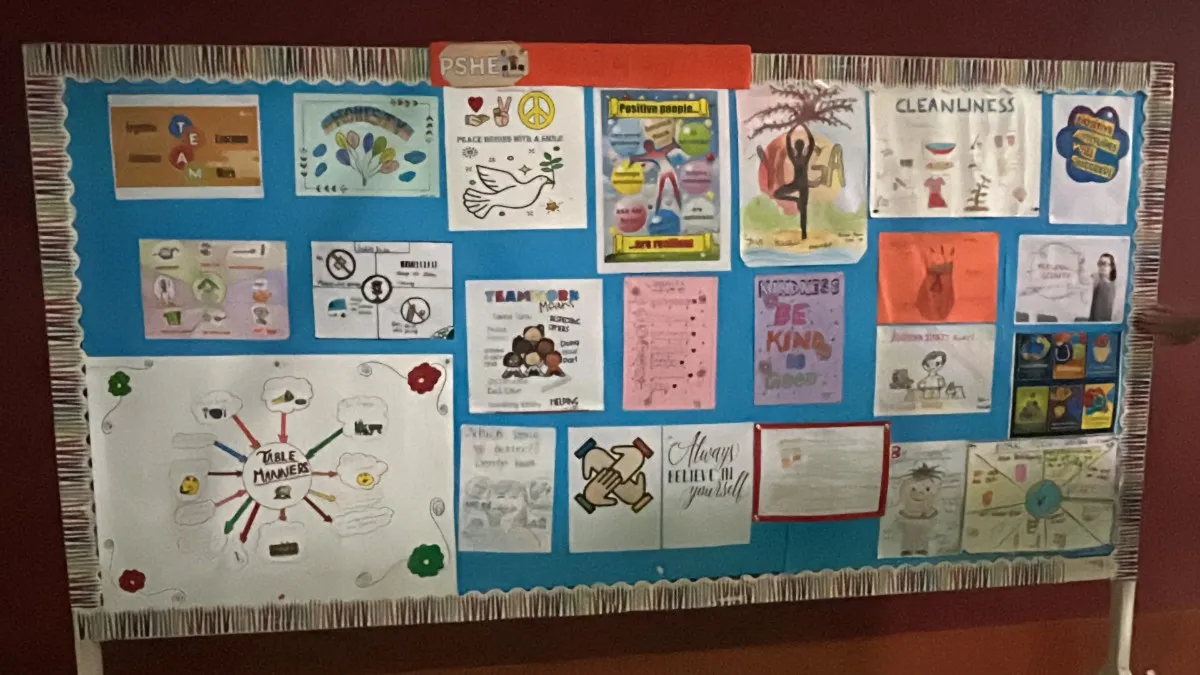
Through a holistic approach to wellbeing, MISB nurtures confident, compassionate, and balanced individuals who are ready to thrive both in school and in life.
MISB Policy on Child Protection and Safeguarding
1. Introduction
Modern International School Bangkok (MISB) is committed to providing a safe, secure, inclusive, and supportive environment in which all students can learn, develop, and thrive. The school recognises its statutory, moral, and professional responsibility to safeguard and promote the welfare of children and young people in its care.
Safeguarding is a fundamental responsibility shared by all members of the school community. All policies, systems, procedures, and daily practices at MISB are underpinned by the principle that the welfare of the child is paramount and must take precedence over all other considerations.
This Safeguarding and Child Protection Policy reflects the school’s commitment to compliance with Thai law, international safeguarding standards, and recognised UK best practice. It forms a central part of the school’s pastoral provision and should be read alongside related policies and procedures.
2. Purpose of the Policy
The purpose of this policy is to:
- Safeguard and promote the welfare of all students at MISB
- Protect students from abuse, neglect, exploitation, and all forms of harm
- Provide clear, consistent guidance to all staff and adults on safeguarding responsibilities
- Establish robust procedures for identifying, recording, and responding to safeguarding concerns
- Ensure that safeguarding practice is transparent, accountable, and consistently applied across the school
All faculty and staff at MISB have a duty to remain vigilant and are required to report any concerns regarding the welfare or wellbeing of a student in accordance with the procedures outlined in this policy.
MISB Vision
To nurture happy,safe, empathetic, and globally aware earth leaders who feel encouraged to explore, curious to discover, motivated to contribute to a kinder, cleaner, inclusive world and environment.
{We shall promote vegetarianism through 'inclusion' and sustainable development goals of UN}
MISB Mission
Cultivate international mindedness by collaborating and celebrating own and diverse cultures with perspectives promoting curiosity, responsibility, respect, peace and understanding as planet guardians
MISB Core Values
- Service to Community and Society
- Integrity and Purpose
- Humility
- International Mindedness
- Mindfulness and Self Management
- Vegetarianism is our core Belief
3. Scope of the Policy
This policy applies to:
- All students enrolled at MISB, including those over the age of 18 who remain in full‑time education
- All sections of the school: Early Years Foundation Stage (EYFS), Primary, and Secondary
- All school activities, whether on‑site or off‑site, including educational visits, transport, extracurricular activities, and online learning
- All adults working with or around students, including employees, governors, volunteers, contractors, visitors, and partner organisations
Safeguarding responsibilities apply at all times when students are under the care of the school.
4. Safeguarding Philosophy and Core Principles
MISB believes that:
- All children have an equal right to protection from harm regardless of age, gender, nationality, ethnicity, religion, sexual orientation, disability, or socio‑economic background
- The welfare of the child is paramount and must guide all decision‑making
- Some children may be more vulnerable due to communication difficulties, special educational needs, disabilities, adverse experiences, or family circumstances
- Early identification, timely reporting, and appropriate intervention are essential to effective safeguarding
- Safeguarding is most effective when schools work in partnership with parents, carers, and external agencies
The school adopts a proactive and preventative approach to safeguarding, supported by training, awareness, and a strong culture of vigilance.
5. Legal Framework and Statutory Guidance
MISB safeguards students in line with:
- United Nations Convention on the Rights of the Child (UNCRC)
- Thailand Child Protection Act B.E. 2546 (2003)
- Ministry of Education Regulations on Student Punishment (2005)
- UK statutory guidance Keeping Children Safe in Education (adopted as international best practice)
Under Thai law, schools and individuals have a duty to report suspected child abuse or neglect to the appropriate authorities without delay. Child abuse is recognised as a criminal offence under the Thailand Child Protection Act B.E. 2546 (2003).
6. Safeguarding Governance and Organisational Structure
6.1 Safeguarding Organisational Structure
Safeguarding at MISB is governed through a clear reporting and accountability structure:
Safeguarding Governor / Board - Director
Dr Chaivat S
Head Safeguarding Lead (Designated Safeguarding Lead - DSL)
Ms Shefali Tewary (School Principal)
Deputy Designated Safeguarding Lead (DDSL)
Dr Chetna Gargi (School Counsellor)
Compliance Safeguarding Officers
Mr Sapsiri (Thai Headmaster)
Health and Safety & ERT/Fire Marshals
Ms Vinita Ravishankar (EDT)
Child Protection Officers
Ms Muskaan Khan (Early Years)
Ms Rashmi Menon (Primary)
Ms Anamika Pal (Secondary)
Ms Pratibha Mishra (Secondary)
7. Thailand and UK Law and Statutory Guidance
Modern International School Bangkok recognises its responsibility to safeguard and promote the welfare of children in accordance with both UK statutory guidance and Thai law.
UK Law and Statutory Guidance
In line with the principles of Section 11 of the Children Act 2004 (UK), the school has established arrangements that prioritise safeguarding and the promotion of student welfare. While this legislation applies to UK-based organisations, its principles are adopted as recognised best practice.
This policy aligns with Keeping Children Safe in Education (KCSIE) and reflects internationally accepted safeguarding standards.
Thailand Child Protection Act B.E. 2546 (2003)
Modern International School Bangkok operates in compliance with the Thailand Child Protection Act B.E. 2546 (2003). Thai law requires schools to establish systems for guidance, counselling, and training to promote appropriate behaviour, social responsibility, and the safety and wellbeing of children.
Under Section 29 of the Act, schools and individuals have a legal duty to report suspected child abuse or neglect to a competent official or the police without delay. Child abuse is a criminal offence under Sections 25 and 26.
Under Thai law, child abuse includes, but is not limited to:
- Abandoning a child without appropriate care or welfare protection
- Withholding essential necessities resulting in physical or mental harm
- Treating a child in a manner that obstructs growth or development
- Acts or omissions resulting in physical or mental torture
- Actions likely to cause physical or mental harm
- Forcing, threatening, inducing, or permitting inappropriate behaviour
In accordance with Section 27 of the Act, all persons are equal before the law and are entitled to equal rights and protection without discrimination, including on the basis of gender. Unjust discrimination on grounds such as origin, race, language, sex, age, disability, health condition, social status, religion, education, or political views is prohibited.
Measures aimed at protecting or promoting the welfare and rights of children and other vulnerable groups are not considered unjust discrimination.
8. Responsibilities
Responsibilities of All Staff
All staff must:
- Be familiar with and adhere to this policy
- Remain alert to signs and indicators of abuse or harm
- Listen to and take seriously the views and concerns of students
- Record and report safeguarding concerns immediately
- Maintain confidentiality and professional boundaries at all times
9. Whole‑School Safeguarding Aims and Code of Conduct
MISB is committed to fostering a strong safeguarding culture where students feel safe, protected, listened to, and respected. All adults working in, visiting, or volunteering at the school are expected to contribute to this culture and to comply with safeguarding expectations at all times.
Any conduct that compromises a student’s emotional, psychological, or physical wellbeing will be taken seriously and addressed promptly. Where appropriate, concerns may be referred to external safeguarding agencies or law enforcement.
10. Definitions and Categories of Abuse
Abuse is any form of maltreatment of a child. A child may be abused by inflicting harm or by failing to act to prevent harm. Abuse may occur in person or online and may be perpetrated by adults or other children.
The main categories of abuse include physical abuse, emotional abuse, sexual abuse, and neglect. Additional safeguarding concerns may include child sexual exploitation, online abuse, peer‑on‑peer abuse, bullying, self‑harm, and radicalisation.
11. Physical (Corporal) Punishment
Corporal punishment is unlawful in Thai schools under Ministry of Education regulations and is strictly prohibited at MISB. Staff can use age-appropriate, proportionate, and non-physical behaviour management strategies and sanctions. The school also works in partnership with families to promote positive, respectful, and non-physical approaches to discipline.
12. Responding to Safeguarding Concerns
Any member of staff who suspects that a student may be at risk of abuse or harm must report the concern immediately to the Designated Safeguarding Lead or an appropriate Deputy DSL. Staff must not investigate concerns themselves.
13. Responding to a Child’s Disclosure (MISB Procedure)
When a child discloses abuse, the following procedure must be followed mandatorily. The Internal Compliance Committee in MISB is part of the procedure followed.
Receive
- Listen carefully without displaying shock or disbelief.
- Accept what is being said without judgement.
- Take the disclosure seriously.
Reassure
- Reassure the child only as far as is honest and appropriate
- Do not make promises that cannot be kept
- Do not promise confidentiality
- Explain that the information will be shared only with people whose role is to keep children safe
- Acknowledge how difficult it must have been for the child to speak
- Reassure the child that they were right to tell someone
React
- Listen calmly and patiently
- Do not investigate or interrogate
- Do not ask leading questions
- Use open questions only if clarification is required
- Do not criticise the alleged abuser
- Explain what will happen next
Record
- Make brief notes at the time and write them up in full as soon as possible.
- Do not destroy original notes, as they may be required later.
- Record the date, time, place, the child’s exact words, and how the child appeared.
- Include any relevant observations, such as visible marks (use a simple body map if needed).
- Record facts and observations only; do not include assumptions or personal interpretations.
- Do not speculate or draw conclusions.
Remember
- If a child discloses abuse, take the disclosure seriously.
- Seek advice immediately from your supervisor, manager, or the Designated Safeguarding Lead / Child Protection Officer.
14. Reporting Process (MISB)
- The staff member reports the concern immediately to the Child Protection Officer or DSL
- The DSL assesses the concern and determines next steps
- The Principal is informed where required
- External agencies are contacted where appropriate
- Ongoing monitoring and support are provided to the student
Early reporting is essential to protect children from harm. Any staff member who reports a concern in good faith is protected under Thai law.
15. Allegations Against Staff
Any safeguarding concern involving a member of staff must be reported immediately to the Principal.
All allegations are managed fairly, consistently, and confidentially, with due regard for the safety of the child and the rights of the individual.
16. Confidentiality and Information Sharing
Safeguarding information is treated as confidential and shared strictly on a need‑to‑know basis. Confidentiality must never prevent the sharing of information where a child may be at risk of harm.
17. Digital Safeguarding and Data Protection
The school aims to comply with the Thailand Personal Data Protection Act (PDPA) to ensure that personal data is collected, stored, accessed, used, retained, and disposed of lawfully, securely, and transparently.
Parents and guardians are expected to exercise good judgement when taking or sharing images of students. They must follow the directions of school staff regarding when and where it is appropriate or inappropriate to take photographs, videos, or other digital media on school premises or at school events.
Parents may reshare content that has already been published on official school communication channels. The school does not accept responsibility for any misuse of such content by third parties where parents do not follow school guidance.
Parents and guardians must not provide images, video, or audio recordings taken at school to the press or other media organisations without the school’s prior consent.
In accordance with Section 27 of the Thailand Child Protection Act B.E. 2546 (2003), no person shall disseminate information about a child or their guardian through mass media or any information channel in a manner that may cause harm to the child’s mental wellbeing, reputation, dignity, or other lawful interests.
18. Training and Awareness
All staff receive Annual Safeguarding training, in line with Thai legal requirements and school safeguarding procedures. This training ensures staff understand their responsibilities, can recognise signs of abuse or neglect, and know how to respond and report concerns appropriately.
Designated Safeguarding Leads (DSLs) and members of the safeguarding team undertake advanced and role-specific safeguarding training, which is updated regularly to reflect current legislation, statutory guidance, and best practice.
19. Monitoring, Review, and Accountability
Safeguarding practices and procedures are monitored on an ongoing basis by school leadership to ensure effective implementation and compliance with legal and regulatory requirements. This includes reviewing safeguarding records, reporting processes, and staff practice.
This policy is reviewed annually, or sooner if required due to changes in legislation, statutory guidance, inspection requirements, or school operations. Responsibility for oversight, implementation, and accountability rests with the school leadership and safeguarding team.
20. Appendix
Contact information for Social Services in Thailand
1. Sai Dek / Childline Thailand
A nationwide child helpline providing support, counselling, and referrals for children under 18. It operates 24/7 and offers confidential assistance.
- Helpline: 1387 (Thailand)
- Email: info@childlinethailand.org
- Address: 328/1 Phayathai Road, Bangkok 10400, Thailand
2. The Center for the Protection of Children’s Rights Foundation (CPCR)
A long-standing Thai NGO working to protect children’s rights, prevent abuse and exploitation, and support child welfare through education, advocacy, and collaboration.
- Phone: +66 2 412-1196 / +66 2 412-0739
- Email: cpcrheadoffice1981@gmail.com
- Address: 979 Soi Charansanitwong 12, Wat Tha Phra, Bangkok 10600,Thailand
3. ECPAT International
A global network working to end sexual exploitation of children, with a regional office in Bangkok that supports research, advocacy, and prevention.
- Phone: +66 (0)2 215-3388
- Email: info@ecpat.org
- Address: 328/1 Phaya Thai Road, Ratchathewi, Bangkok 10400,Thailand
4. One Stop Crisis Center / Social Assistance Hotline (Prachabodi Center)
A government-run crisis support hotline under the Ministry of Social Development and Human Security, responding to violence against women and children.
- Helpline: 1300 (24/7 support)
(Note: This replaces “The Prachabodi Center 1300” label — the current official name is the Social Assistance Hotline / One Stop Crisis Center.)
Please do not contact any of the above services without speaking to a Counsellor/DSL or a Child Protection Officer (CPO) first.

Global Collaborations